
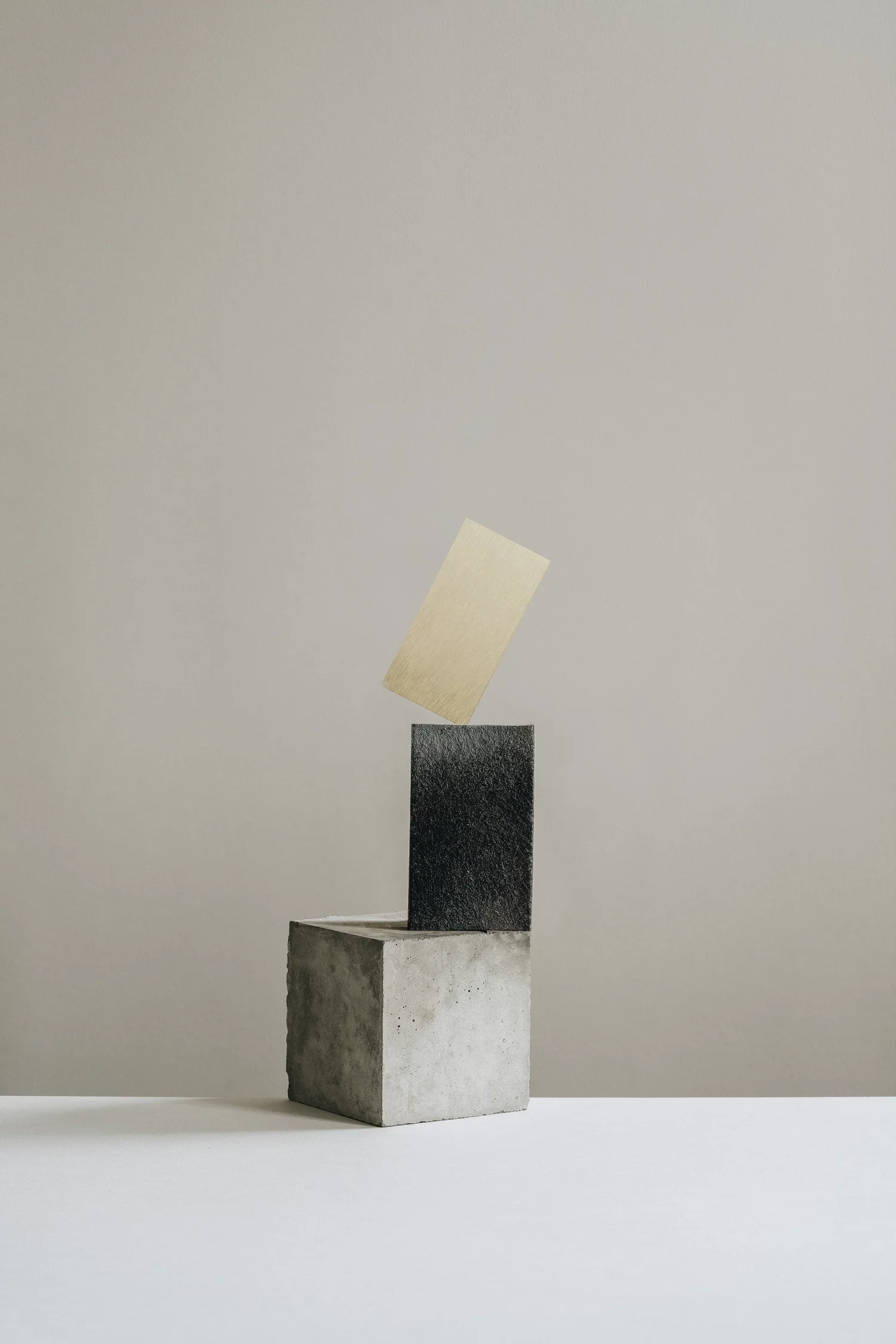
A solid brass potters tool, with just the right amount of flex. Ideal for creating a smooth finish or shaping clay. It will develop a beautiful patina with use and should last forever.
. Laser cut, hand finished solid brass
. Dimensions 50mm x 100mm (W x H)
. Designed and made in the UK
Care for your brass tools to keep them in good condition for years:
Clean after use: Wipe with a soft cloth to remove clay and moisture.
Dry thoroughly: Make sure tools are completely dry before storing.
Polish occasionally: Use brass cleaner or a mix of lemon juice and baking soda to keep them shiny.
Handle with care: Avoid dropping them, as brass scratches easily.
Let the patina develop: Brass will patina over time - don't over-polish.

A solid brass potters tool, ideal for creating a smooth finish or shaping and curving clay. It will develop a beautiful patina with use and should last forever.
. Laser cut, hand finished solid brass
. Dimensions 75mm x 150mm (W x H)
. Designed and made in the UK
Care for your brass tools to keep them in good condition for years:
Clean after use: Wipe with a soft cloth to remove clay and moisture.
Dry thoroughly: Make sure tools are completely dry before storing.
Polish occasionally: Use brass cleaner or a mix of lemon juice and baking soda to keep them shiny.
Handle with care: Avoid dropping them, as brass scratches easily.
Let the patina develop: Brass will patina over time - don't over-polish.

The pear-shaped tungsten carbide tool is highly versatile, designed for efficiently removing large amounts of clay. It’s perfect for general trimming tasks, such as shaping rough foot rings or refining the overall form of your pottery.
The pointed end excels at trimming narrow areas, making it especially useful for long-necked vases and other pieces with tight spaces. It’s also effective for more detailed, precision work. The flat side is ideal for smoothing flat surfaces and creating clean, sharp edges, giving your pieces a professional finish.
Design:
The tool is comprised of three parts: a Beech wood handle, a brushed aluminum cap, and a Tungsten carbide blade.
Handle:
The handle is carefully hand-turned from Beech wood, ensuring both durability and an ergonomic design that fits comfortably in any hand. Its smooth shape allows for a firm, secure grip, optimizing control for precise trimming.
Blade:
The blade is crafted from tungsten carbide, one of the hardest materials available, offering superior longevity compared to steel. It remains sharp through extended use without the need for frequent sharpening. The blade is finely angled to slice through clay effortlessly, making it ideal for detailed trimming of small pots and removing clay from the interior of foot rings.
Caution:
Due to the hardness of tungsten carbide, the blade retains its sharpness exceptionally well but is also brittle. It cannot be bent by hand and may shatter if dropped or impacted, much like porcelain. To avoid damage, handle the tool carefully—ensure it does not roll off your workspace or collide with hard surfaces such as steel or other tools. Avoid soaking the blade in water; after use, quickly rinse and dry it thoroughly. Store the tool in the provided protective box or in a foam-lined container.
Sharpening:
While the blade is extremely sharp and durable, after months of use, it may begin to dull slightly. To restore its sharpness, use a fine diamond file (400 grit or finer), or, if unavailable, high-quality sandpaper. Only sharpen the inner side of the blade, as the outer edge is beveled and does not require sharpening.

The small triangle tungsten carbide trimming tool is designed for finishing and refining the shape of your pottery with precision. Its thin, sharp blades allow for easy carving into foot and lid galleries, making it ideal for trimming small pots that larger tools can’t handle. The shape of the blade helps create sharp lines and intricate details, making it an essential tool for any fine trimming work.
Design:
The tool is comprised of three parts: a Beech wood handle, a brushed aluminum cap, and a Tungsten carbide blade.
Handle:
The handle is carefully hand-turned from Beech wood, ensuring both durability and an ergonomic design that fits comfortably in any hand. Its smooth shape allows for a firm, secure grip, optimizing control for precise trimming.
Blade:
The blade is crafted from tungsten carbide, one of the hardest materials available, offering superior longevity compared to steel. It remains sharp through extended use without the need for frequent sharpening. The blade is finely angled to slice through clay effortlessly, making it ideal for detailed trimming of small pots and removing clay from the interior of foot rings.
Caution:
Due to the hardness of tungsten carbide, the blade retains its sharpness exceptionally well but is also brittle. It cannot be bent by hand and may shatter if dropped or impacted, much like porcelain. To avoid damage, handle the tool carefully—ensure it does not roll off your workspace or collide with hard surfaces such as steel or other tools. Avoid soaking the blade in water; after use, quickly rinse and dry it thoroughly. Store the tool in the provided protective box or in a foam-lined container.
Sharpening:
While the blade is extremely sharp and durable, after months of use, it may begin to dull slightly. To restore its sharpness, use a fine diamond file (400 grit or finer), or, if unavailable, high-quality sandpaper. Only sharpen the inner side of the blade, as the outer edge is beveled and does not require sharpening.
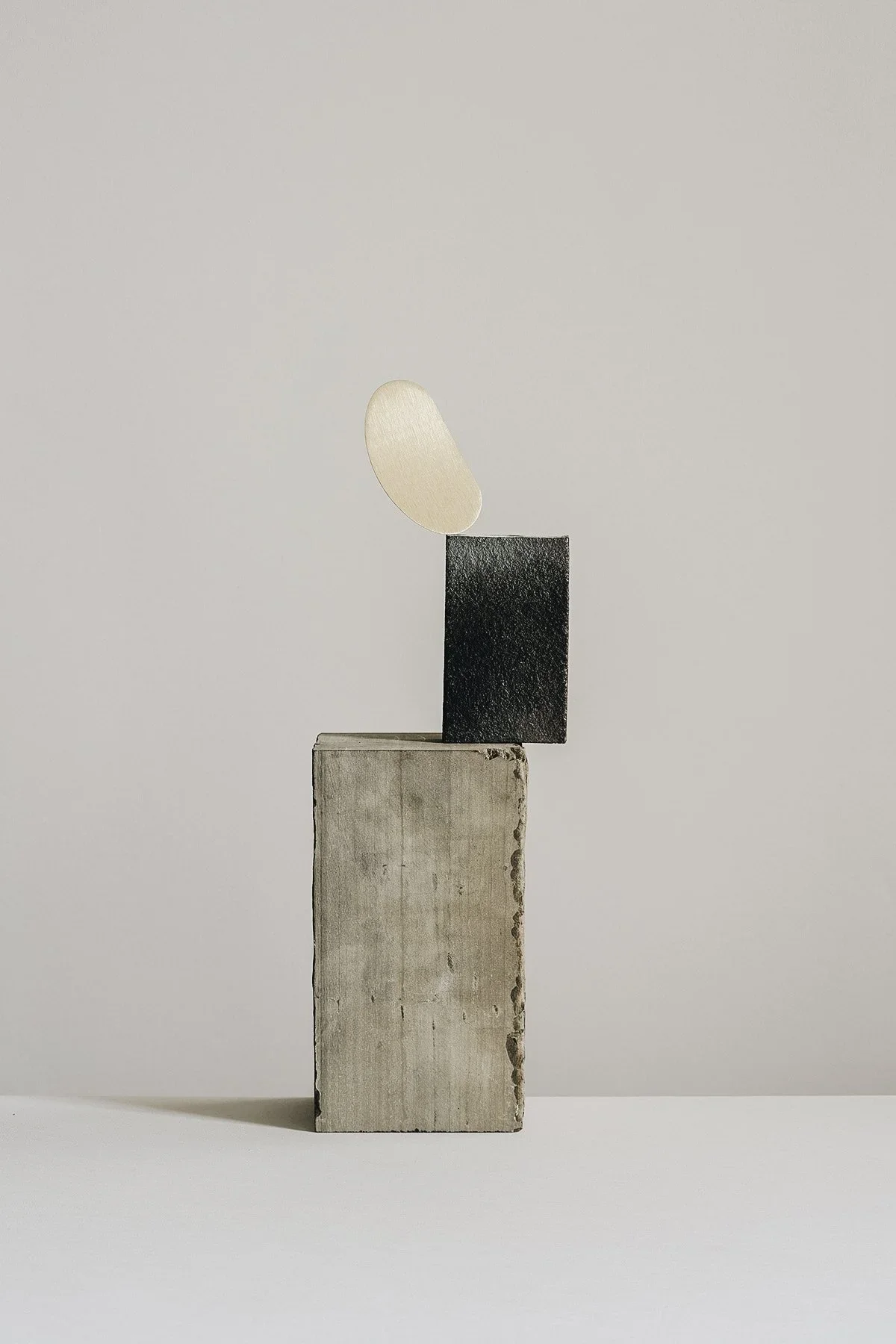
A solid brass potters tool, ideal for creating a smooth finish or shaping and curving clay. It will develop a beautiful patina with use and should last forever.
. Laser cut, hand finished solid brass
. Dimensions 45mm x 90mm (W x H)
. Designed and made in the UK
Care for your brass tools to keep them in good condition for years.
Clean after use: Wipe with a soft cloth to remove clay and moisture.
Dry thoroughly: Make sure tools are completely dry before storing.
Polish occasionally: Use brass cleaner or a mix of lemon juice and baking soda to keep them shiny.
Handle with care: Avoid dropping them, as brass scratches easily.
Let the patina develop: Brass will patina over time - don't over-polish.
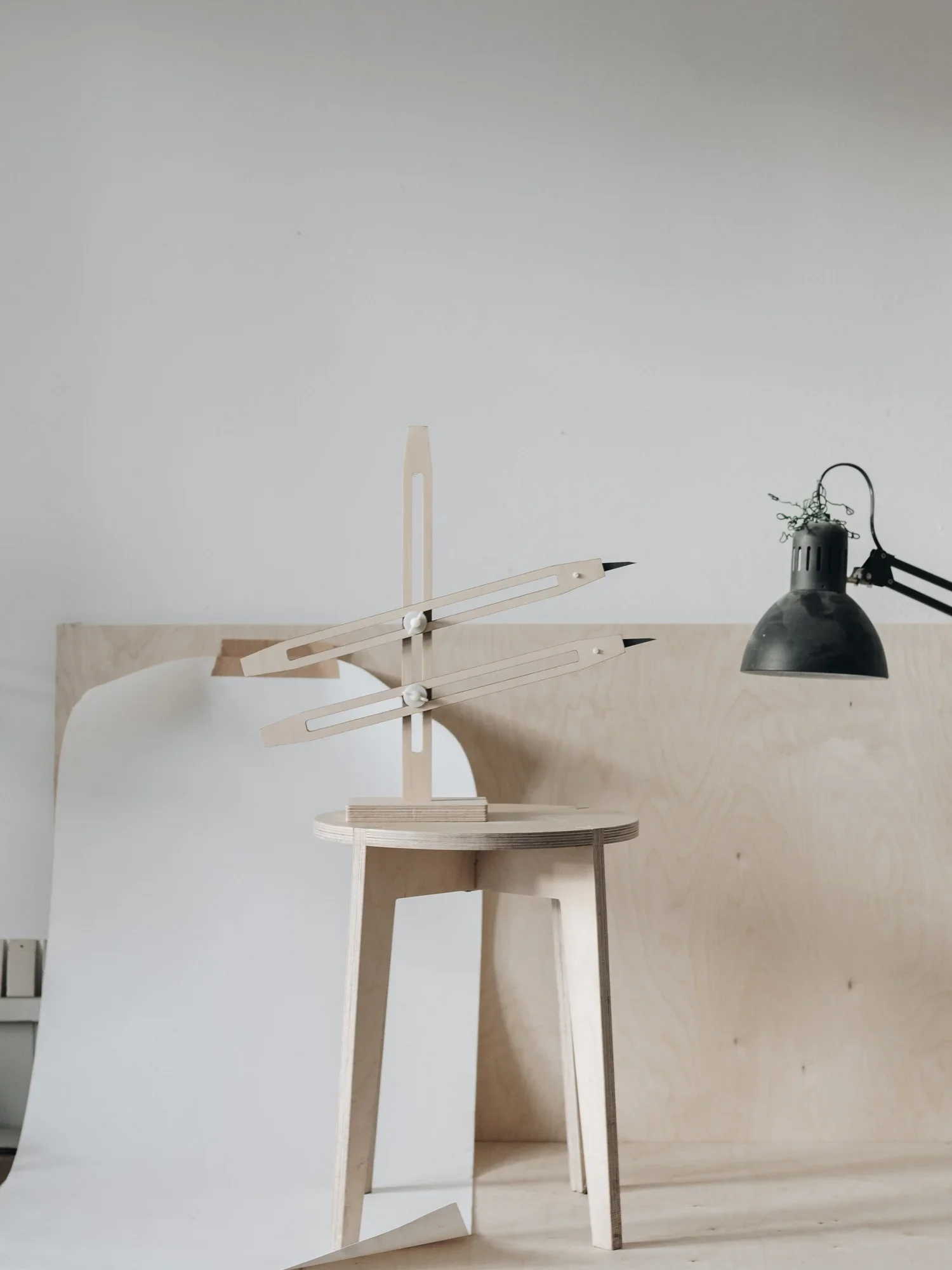
This innovative tool allows you to set the height and width and throw to a precise position.
Ideal for both beginners and experienced production potters, this versatile tool can be used for making repeat forms.
Arms are attached to the body with white nylon bolts, wing-nuts and marine grade stainless steel washers - chosen for strength, durability and easy adjustment.
Dimensions: height 40 cm / length 40 cm / base size: 15 cm x 10 cm

The hook-shaped tungsten carbide trimming tool is perfect for all stages of trimming. It removes large amounts of clay quickly and refines fine details with its pointed end. The unique shape prevents clay from catching, offering clear visibility and easy access to tight spaces. Its sharpness makes it ideal for trimming smooth, slightly grogged clay, and even porcelain.
Design:
The tool is comprised of three parts: a Beech wood handle, a brushed aluminum cap, and a Tungsten carbide blade.
Handle:
The handle is carefully hand-turned from Beech wood, ensuring both durability and an ergonomic design that fits comfortably in any hand. Its smooth shape allows for a firm, secure grip, optimizing control for precise trimming.
Blade:
The blade is crafted from tungsten carbide, one of the hardest materials available, offering superior longevity compared to steel. It remains sharp through extended use without the need for frequent sharpening. The blade is finely angled to slice through clay effortlessly, making it ideal for detailed trimming of small pots and removing clay from the interior of foot rings.
Caution:
Due to the hardness of tungsten carbide, the blade retains its sharpness exceptionally well but is also brittle. It cannot be bent by hand and may shatter if dropped or impacted, much like porcelain. To avoid damage, handle the tool carefully—ensure it does not roll off your workspace or collide with hard surfaces such as steel or other tools. Avoid soaking the blade in water; after use, quickly rinse and dry it thoroughly. Store the tool in the provided protective box or in a foam-lined container.
Sharpening:
While the blade is extremely sharp and durable, after months of use, it may begin to dull slightly. To restore its sharpness, use a fine diamond file (400 grit or finer), or, if unavailable, high-quality sandpaper. Only sharpen the inner side of the blade, as the outer edge is beveled and does not require sharpening.

The small circular tungsten carbide trimming tool is really helpful when it comes to removing clay from inside of foot. Thanks to thin and sharp blade it effortlessly cuts right through it. It is only tool with which you can trim small curved parts of pot like beveled edges, lids and stylish foots. There is plenty of ways to use it and can assist you during toughest trimming sessions.
Design:
The tool is comprised of three parts: a Beech wood handle, a brushed aluminum cap, and a Tungsten carbide blade.
Handle:
The handle is carefully hand-turned from Beech wood, ensuring both durability and an ergonomic design that fits comfortably in any hand. Its smooth shape allows for a firm, secure grip, optimizing control for precise trimming.
Blade:
The blade is crafted from tungsten carbide, one of the hardest materials available, offering superior longevity compared to steel. It remains sharp through extended use without the need for frequent sharpening. The blade is finely angled to slice through clay effortlessly, making it ideal for detailed trimming of small pots and removing clay from the interior of foot rings.
Caution:
Due to the hardness of tungsten carbide, the blade retains its sharpness exceptionally well but is also brittle. It cannot be bent by hand and may shatter if dropped or impacted, much like porcelain. To avoid damage, handle the tool carefully—ensure it does not roll off your workspace or collide with hard surfaces such as steel or other tools. Avoid soaking the blade in water; after use, quickly rinse and dry it thoroughly. Store the tool in the provided protective box or in a foam-lined container.
Sharpening:
While the blade is extremely sharp and durable, after months of use, it may begin to dull slightly. To restore its sharpness, use a fine diamond file (400 grit or finer), or, if unavailable, high-quality sandpaper. Only sharpen the inner side of the blade, as the outer edge is beveled and does not require sharpening.
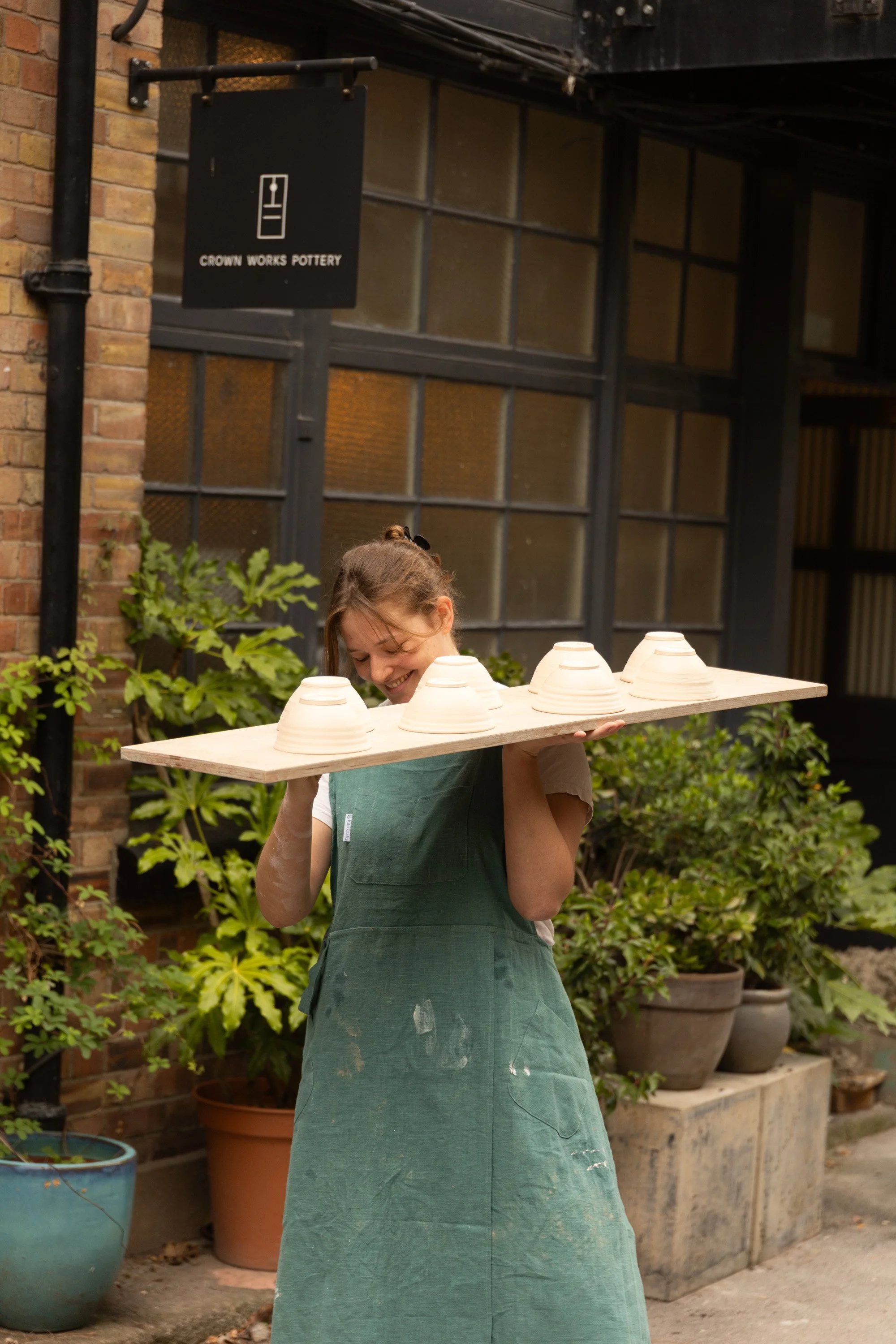
The Pottery Apron That Actually Has You Covered
Stay protected without feeling restricted. Our split-leg design gives you full coverage while letting you move, bend, and stretch with ease – perfect for potters, woodworkers, baristas, or anyone whose craft calls for flexibility.
Made from a durable yet breathable linen-cotton blend, it keeps you comfortable during long hours at the wheel or workbench. The overlapping split panels drape naturally when you stand, then open smoothly when you sit – so there’s no bunching, riding up, or awkward adjusting.
Why You’ll Love It
Freedom to Move – Split front lets you sit low at the wheel or kneel without tugging your apron.
Full Coverage – Protects your clothes from clay, sawdust, or whatever your medium may be.
Built-In Functionality – Handy pockets and side loops keep tools and towels within reach.
One Size Fits Most – Adjustable cross-back straps take the weight off your neck.
Designed for working artists, this is the apron you’ll forget you’re wearing – until someone asks where you got it.

An Opinionated Guide to Make London
We are pleased to be featured in Hoxton Mini Press latest edition of Make London.
The book showcases a vibrant array of workshops — from weaving and whittling to printing and pottery. London is one of the best places in the world to pick up some tools and learn something new. Whether you're an experienced artisan or just craft-curious, the city is packed with welcoming workshops where you can upskill.
Text by Riya Patel. 176pp, paperback, 112 x 162mm.

A double ended stainless steel turning tool made and designed by potter Tom Knowles Jackson
Dimensions 16cm x 3.5cm
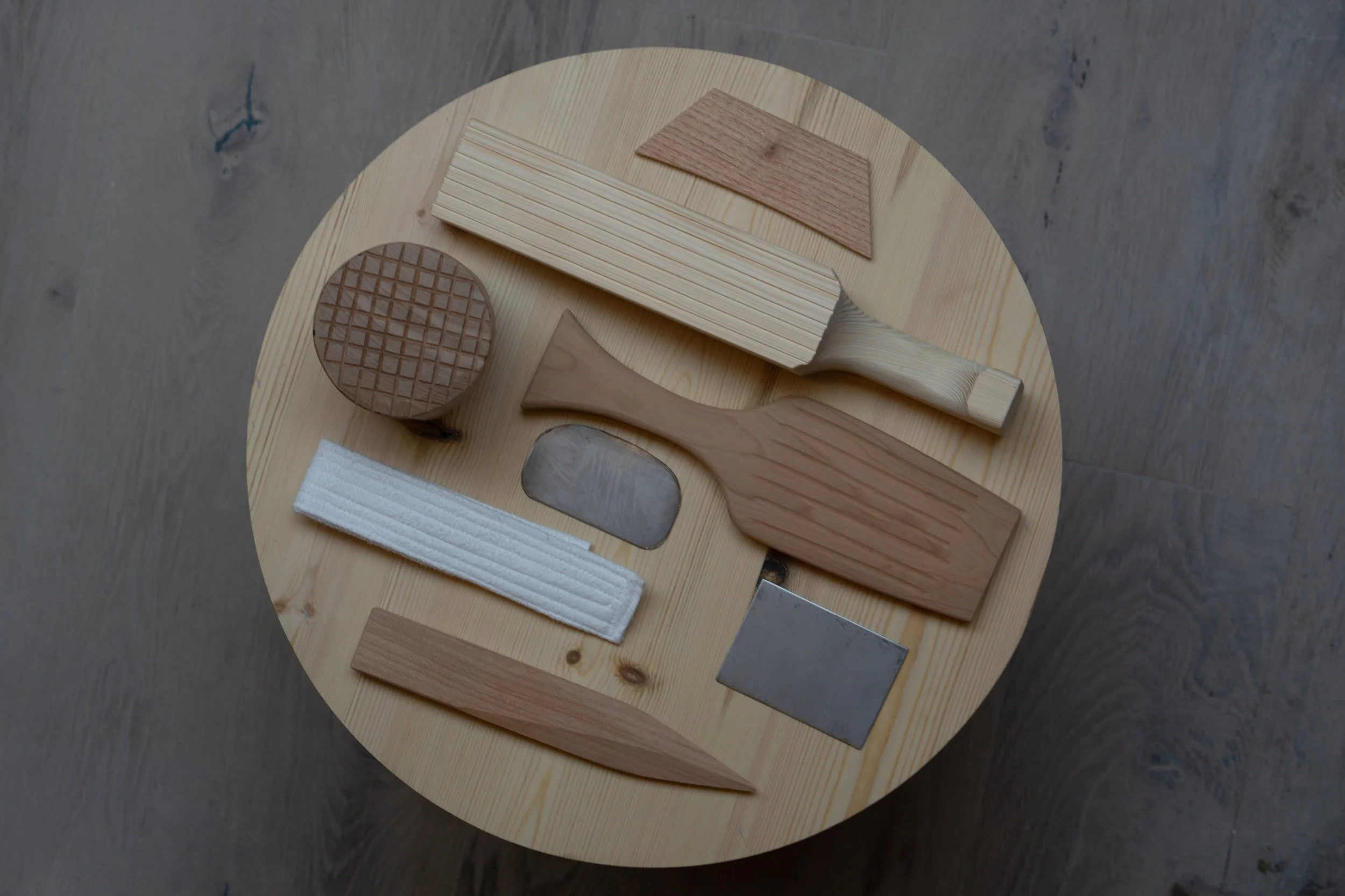
We currently have two sets of remaining Onggi tools in the studio, which have been used twice for the two workshops we ran earlier in the year.
We are not ordering any new tools from Korea until we have new workshop dates scheduled.
We therefore are offering these two sets at a reduced price. The wooden tools will come pre-soaked so darker than the images shown below, the cloth (Mulgajuk) has also been used but washed. Please only order if you are happy to have these items provided as detailed.
____
We are incredibly excited to announce we are now taking orders for complete sets of beautiful Onggi tools, handmade by highly regarded craftsman in Korea specifically for Crown Works Pottery.
1) Bangmangi - A wooden mallet used to pound and flatten the base and lower sections of the large onggi urns.
2) Surae - A wooden Paddle with carved patterns to endow the clay with a specific texture
3) Dogae - Rounded Anvil
Paddling Technique: In traditional onggi making, a potter uses a flat wooden paddle (surae) on the exterior of a rotating clay vessel while simultaneously pressing the dogae against the interior wall.
Shaping and Compressing: The rhythmic impact between the two tools thins, raises, and compresses the clay, allowing for large, structurally sound forms to be built.
Texture: The carved grid pattern endows the clay with a specific texture, which some sources indicate helps with consistency or adhesion during the building process.
4) Mitgasae - A specialized, flat wooden knife used for a crucial part of the process where the base of the large onggi urns is shaped and tidied.
5,6,7) Geungae - Metal ribs and wooden rib, used to trim or smooth the outer surface of the urn.
8) Mulgajuk - Like a Chamois - a Smoothing Cloth for curving and sorting the rims of pots
These tools can be preordered and are made in batches. Please enquire about when our next batch will be shipped.
Please also see our Onggi Wheel which is now available for preorder and also our Four Day Onggi course taking place in February.
Tool Care and Upkeep:
All the wooden tools are made of Pine. Upon receiving your tools, it is advised that you submerse all the wooden tools weighing them down in the water until they are no longer buoyant, they are best used when waterlogged and this is how these pine tools are taditionally treated. Once soaked the tools should in an ideal world stay wet and not be allowed to dry out, thereby avoiding any cracking of the wood. If frequently allowed to dry out the risk of cracks increases. It is possible to use the tools without soaking at all, but it is not the traditional practice. Please do not soak the metal tools.
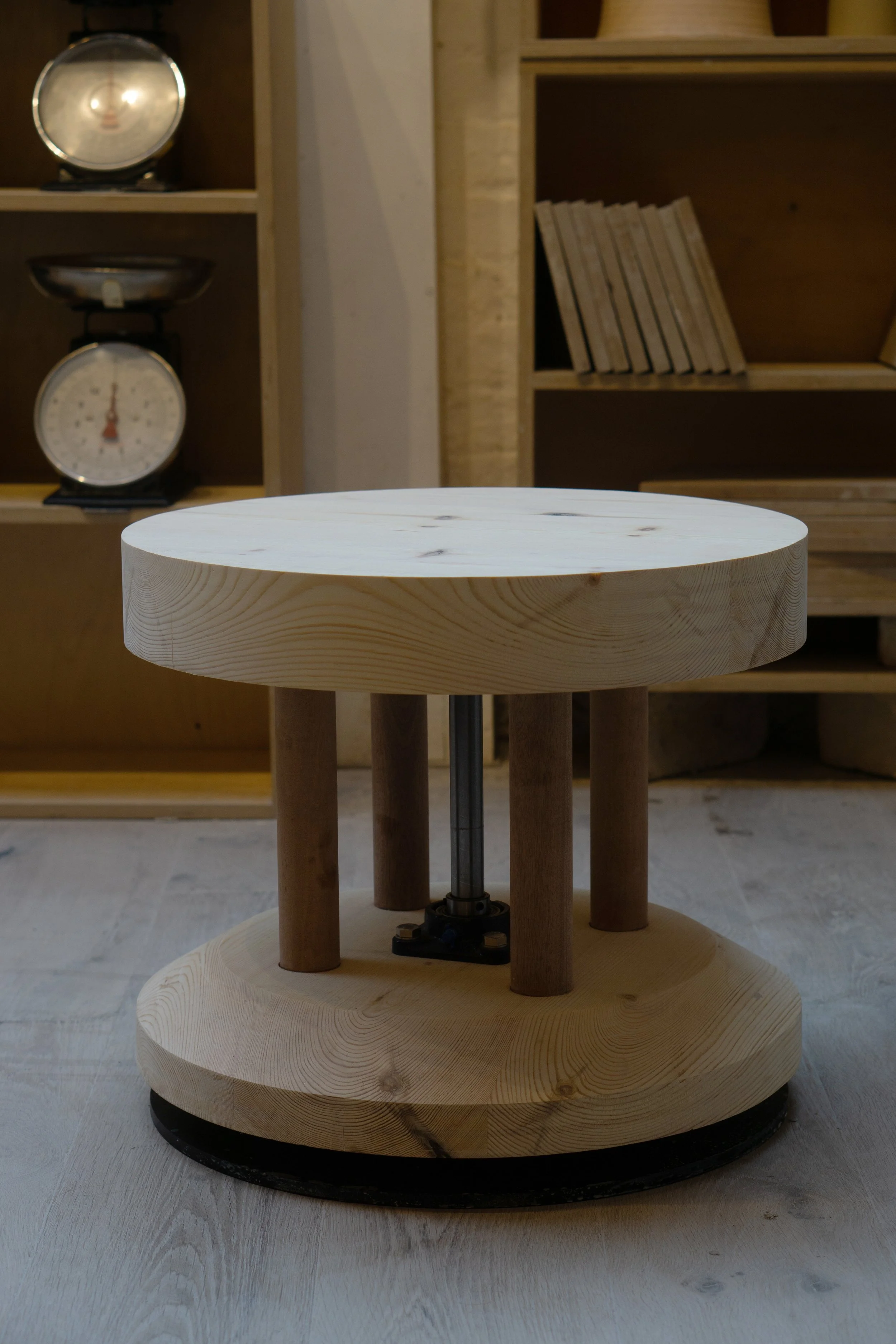
Designed and Hand Crafted in Cornwall under the guidance of Crown Works Potteries Director Giulietta Hextall, we are incredibly excited to launch her line of beautiful Onggi Wheels.
These wheels are a tribute to the ancient craftsmanship of Korean pottery. Built using pine, the wheel adheres as closely as possible to traditional Korean designs, featuring the classic wide, low-profile wooden drum structure essential for building large-scale vessels. Giulietta was in discussion and took advice from Hee Gun Kim an 8th-generation Korean potter preserving traditional Onggi techniques to develop this wheel.
By utilising this silent, foot-powered mechanism, makers can experience the true rhythm and responsiveness required for traditional Onggi techniques, from the rhythmic "breathing" of the clay to the powerful, frictionless momentum needed for high-capacity throwing. We are proud to bring this rare piece of equipment to our community, bridging the heritage of Korea with the craft traditions of Cornwall and London.
We are pleased to invite you to come to Crown Works to see and try the wheel now in the studio and or enquire with any questions you may have.
Please also see our Onggi tools we have for sale and pre-order, which have been made for us especially by some of the most respected and knowledgeable craftsman in Korea.
We have one wheel in stock and ready for immediate purchase.
All other orders for wheels will be made in batches that take 6 to 8 weeks to be completed depending on the number being made. Please enquire about shipping costs as this will have to be established for each delivery. We will be open to shipping to Europe but will have to establish a cost according to each location.
Wheel Measurements:
51w x 44h cm
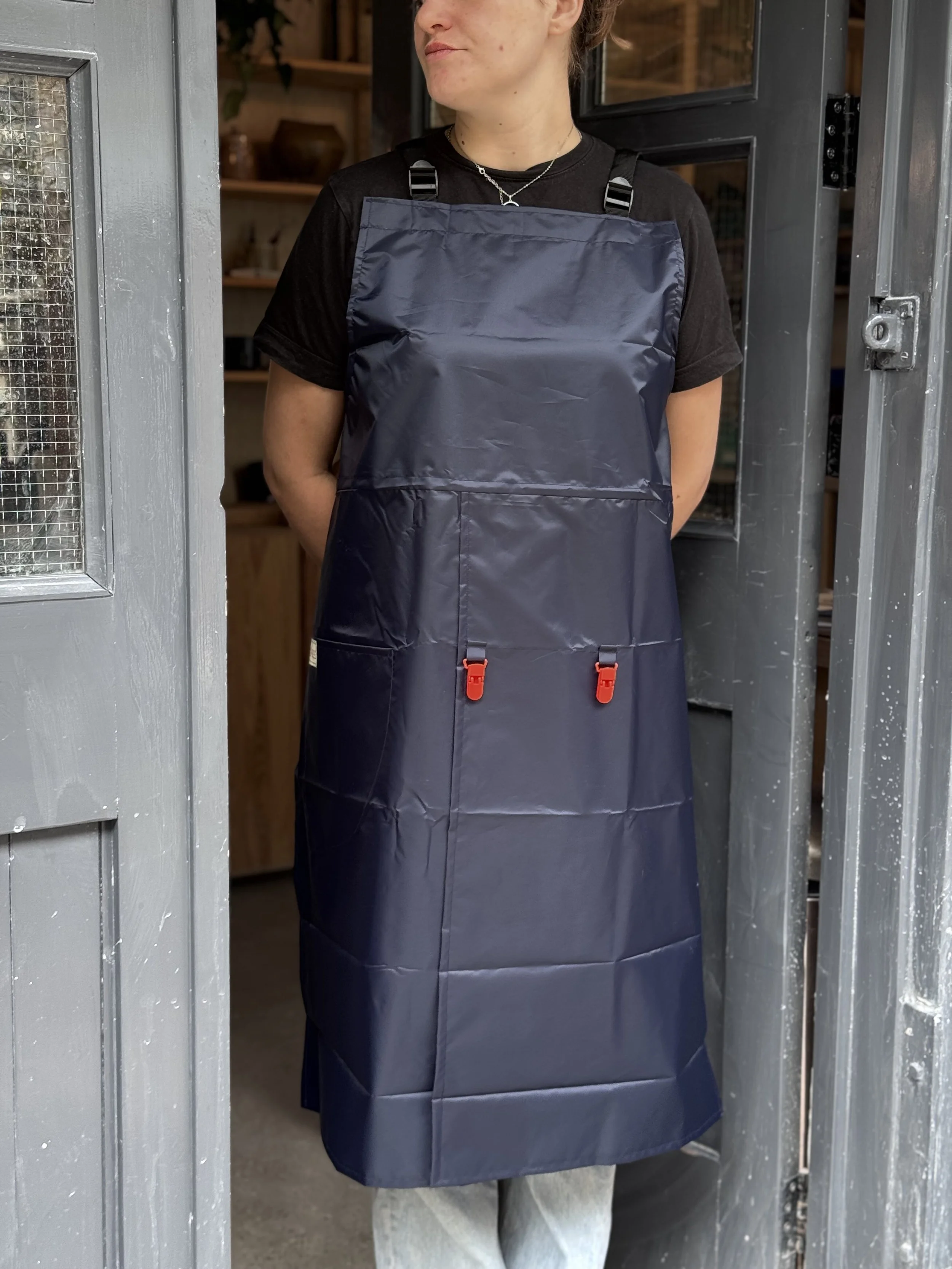
PotAprons are made of light, water-resistant, durable materials. The straps are fully adjustable with clip design. PotAprons are safe to use in the pottery or any dusty environment as the PU coated polyester material does not trap silica dust for later release.
Three handy clips allow you to quickly attach and replace towels.